FlightHotelFares
- 3.8
- Rating
- 1.00M
- Installs
- Free
- Price

 Analysis by App-foxy
Planning a trip often begins with a simple question: where can I find a sensible flight or hotel price without opening a long list of separate travel websites? FlightHotelFares is built around that first comparison step. It is a free Travel & Local app from Sunstone-Dev that brings flight and hotel searches together, giving me a quicker way to see options before I decide where to book.
My impression is that it works best as a starting point rather than as a complete travel companion. I would use it when I am still comparing destinations, dates, or accommodation costs, especially when I do not yet have a preferred airline or hotel site. It can reduce the repetitive work of checking several sources, but I would still review the final booking details carefully before paying.
What to expect when you open FlightHotelFares
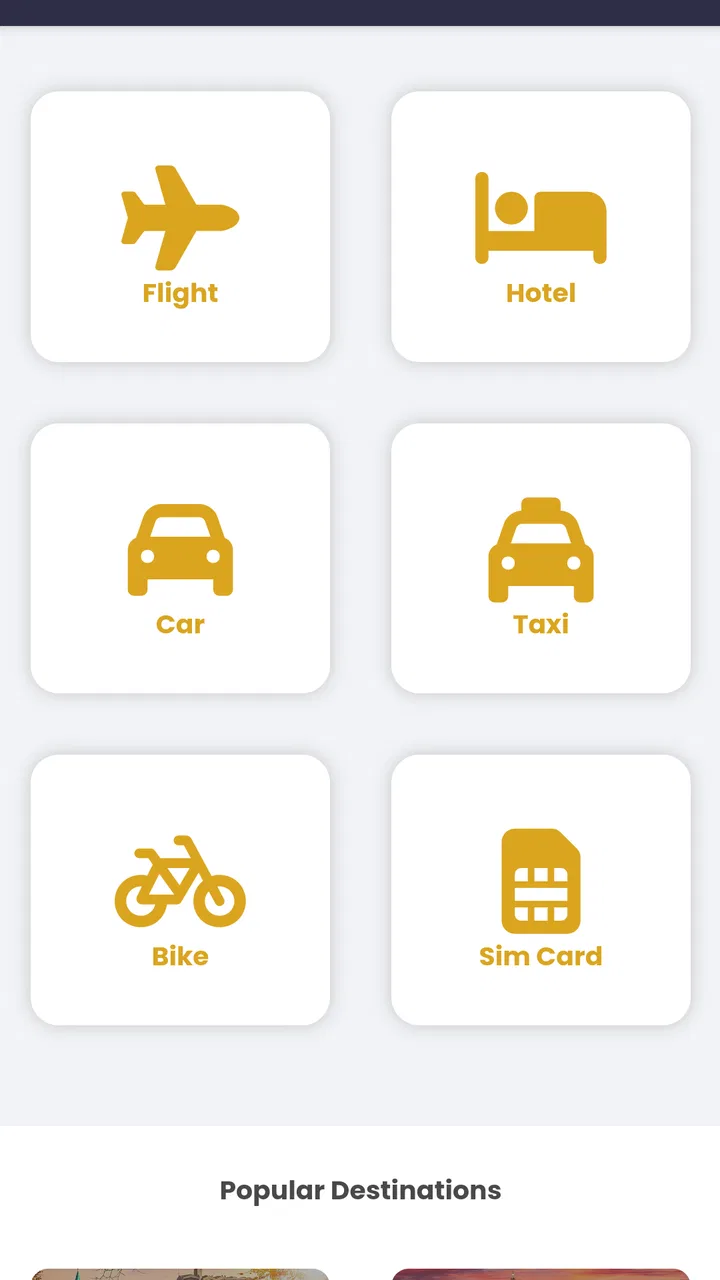
The app’s central idea is straightforward: compare flights and hotels from major travel sources in one place. That makes it easier to approach a trip as a total budget instead of treating airfare and accommodation as two unrelated searches. For a short break, a family visit, or an early-stage holiday plan, that combined view can be more useful than jumping between browser tabs.
You May Also Like

 Blood Strike: 2.5 Anniversary
Blood Strike’s Loadouts Turn Every Drop Into a Tactical Gamble
A close look at Blood Strike’s custom loadouts: how fast access to signature weapons reshapes its battle royale rhythm, rewards preparation, and narrows the gap between fights.

 Pandora - Music & Podcasts
Pandora’s Music Is Easy to Start, but Harder to Recover
Pandora’s strength is its low-effort path from a seed to a station. Its weak spot is how much confidence it asks you to place in connection, setup, and quiet recovery.

 8 Ball Pool
 Is Built on Rivalries, Rematches, and Routine
A close look at the rivalries, rematches, shared routines, and unanswered safety questions that turn a quick pool match into a persistent mobile community.

 Samsung Music
’s Quiet Strength Is Playing What You Already Own
Its reach comes less from spectacle than from dependable access to a personal library. That simplicity is both the app’s strongest retention engine and its ceiling.

 AccuWeather: Weather Radar
AccuWeather Review: A Quick, Clear Forecast for Everyday Decisions
For everyday plans, the best forecast is the one you can understand quickly. AccuWeather makes rain timing, radar, and local conditions easy to act on, with a few trade-offs.

 Hill Climb Racing
Why Hill Climb Racing Still Turns Crashes Into One More Run
A tiny car, a bumpy hill and one more upgrade: Hill Climb Racing keeps resurfacing because its simple chaos makes every near-miss feel personal.
More From Our News Desk



I would not approach it expecting a personal travel diary, destination guide, or detailed itinerary manager. Its value is concentrated in comparison. The practical benefit comes from narrowing choices and noticing differences between available travel offers, not from managing every part of a journey after the booking decision.
The app is listed as free, which removes the main barrier to trying it. Its content rating is Everyone, so it is presented as suitable for a broad audience. It has also reached over a million installs and holds an average rating of 3.8 from around 1,700 ratings. Those figures suggest that many people have tried it, while the rating also tells me to keep expectations realistic: useful does not necessarily mean flawless.
One detail worth keeping in mind is the app’s relatively focused identity. The store short description is “FlightHotelFares,” and that matches the experience I would expect from the name: the emphasis is on comparing airfare and hotel options. If I wanted extensive destination content, restaurant discovery, public transport planning, or a full offline travel toolkit, I would look elsewhere or use another app alongside it.
Who gets the most value from it
FlightHotelFares makes the most sense for someone who wants a quick overview before committing to a provider. It is particularly suitable for flexible travelers who can shift their dates, compare more than one destination, or consider different hotel standards. Those users benefit from seeing the market before selecting a familiar booking route.
It can also help a person who normally searches in a rushed way. Instead of opening one airline site, finding a high fare, and assuming that is the best available option, I can use a comparison-first workflow. I check the route, look at the available choices, note the most promising options, and then verify the important conditions on the eventual booking page.
On the other hand, a traveler with a fixed loyalty program, a preferred airline, or a negotiated hotel rate may gain less from it. If I already know exactly where I want to book and the price is tied to a membership account, a direct provider app may show benefits that a general comparison tool cannot replace.
Getting through the first setup without overthinking it
The first useful step is to decide what I am trying to compare before entering anything. For a flight search, I would have the departure city, destination, approximate dates, and passenger information ready. For a hotel search, I would prepare the destination, stay dates, and the number of guests or rooms I need. Having those details nearby makes the first session less about guessing and more about reaching a meaningful result.
I would begin with one simple trip rather than testing several complicated combinations. A direct route with ordinary dates is a better first check than a multi-city journey with unusual constraints. This is not because the app is necessarily limited to simple travel, but because a clean first search helps me understand how the comparison results are presented before I add complexity.
There is also a useful distinction between browsing and booking. At the start, I am not trying to complete a purchase immediately. I am trying to establish a realistic price range and identify which options deserve a closer look. Treating the first search as research prevents a common mistake: choosing the first attractive result before checking the conditions attached to it.
The app runs on Android devices using at least Android 5.1, and the current version is 1.0. That makes its compatibility broad for many existing Android phones and tablets. At the same time, a first-version app deserves a little patience. I would keep the app updated through the normal store process and pay attention to how smoothly searches and transitions work on my particular device.
I would also avoid assuming that every result has the same terms. Travel comparison screens can place inexpensive and flexible options close together, even though the difference in cancellation rules, baggage, room conditions, or payment timing may be significant. The app helps me find candidates; it does not remove the need to read the conditions.
A practical first-session routine
Start with one destination and one realistic date range instead of entering several ideas at once.
Run the flight comparison first if transport cost will decide whether the trip is affordable.
Record the most promising fare and its conditions before switching to hotel results.
Compare accommodation by total suitability, not only by the lowest displayed amount.
Open the final provider information and check dates, travelers, room type, and extra conditions before booking.
This routine gives me a useful answer quickly: whether the trip is within budget, which part of the journey is expensive, and whether changing dates or accommodation standards could make the plan work.
Reaching the first meaningful success
A successful first action is not simply installing the app or seeing a list of offers. For me, success means turning an uncertain travel idea into a short list of realistic choices. For example, if I am considering a weekend away, I would search the route, identify a few flight possibilities, then compare hotels for the same dates. The result should tell me whether the whole plan feels reasonable before I spend time on detailed booking screens.
This approach is especially helpful when the destination is not fixed. I can compare the cost of traveling to one city with the cost of staying there, then repeat the same thought process for another destination. Even without making a reservation, that gives me a more honest picture of the trip than looking at airfare or hotel prices in isolation.
A useful habit is to separate the “discovery” choice from the “purchase” choice. During discovery, I care about route, timing, location, and broad cost. During purchase, I care about the exact traveler names, cancellation conditions, baggage, room details, taxes, and payment terms. FlightHotelFares is most valuable in that first phase, while the final provider page remains essential for the second.
Here is a realistic everyday scenario. I might be arranging a visit for two people and have only a rough travel weekend in mind. I would use the app to compare the flight options first, then check whether hotels near the intended area fit the remaining budget. If the hotel cost is unexpectedly high, I could test a nearby area or adjust the dates before becoming attached to a particular reservation. That saves time because I am making the budget decision before filling in payment details.
Another non-obvious benefit is that the combined search can reveal where the real compromise lies. Sometimes changing a flight by a day matters more than choosing a cheaper hotel. In another case, a slightly different hotel location may make the overall trip more practical even if its nightly price is not the lowest. I would use the app to identify these trade-offs, not merely to hunt for one isolated minimum.
How I judge a result instead of chasing the lowest number
When a result looks attractive, I ask three questions. Does the timing work for the purpose of the trip? Does the accommodation location make daily travel reasonable? And are the conditions acceptable if my plans change? A low fare that creates an awkward arrival or an unsuitable hotel can be poor value once the whole journey is considered.
I also compare like with like. A flight with different baggage conditions may not be genuinely cheaper than another option, and a hotel listing may differ in room type or cancellation flexibility. The comparison screen is useful for spotting possibilities, but the final decision requires matching the details carefully.
For group travel, I would run the search with the correct number of travelers from the beginning. Changing the party size later can alter availability and pricing, so a result found for one person may not represent what the group can actually book. This is a small workflow choice, but it prevents false confidence from an attractive first result.
Where first-time users may feel confused
The biggest possible misunderstanding is believing that comparison automatically means the displayed option is the final cost. Travel prices can depend on the exact selection and provider terms, so I treat the initial result as a lead. Before I commit, I check the full price, the selected dates, the traveler or guest details, and any conditions shown during the handoff to the booking provider.
Flight and hotel searches also behave differently. A flight is often judged by departure time, arrival time, stops, and baggage. A hotel needs a closer look at location, room arrangement, cancellation terms, and what is included. I would not use the same shortcut for both categories. The app brings them into one travel search experience, but I still evaluate them with different standards.
Another point of friction can arise when I compare results from different providers. A familiar brand may feel safer or easier to manage, while a less familiar option may appear cheaper. I would use the comparison to discover the choice, then make sure I understand who is actually handling the reservation and where support will be available if something changes.
This is also why I would save or note the details of a promising result before leaving the search. Prices and availability can change, and a vague memory of “the cheap option” is not enough to reproduce the same choice. Writing down the route, dates, timing, hotel name, and key conditions gives me a reliable reference when I continue the booking process.
Users should not expect a comparison app to solve every travel problem. It will not replace checking passport requirements, entry rules, airport transfers, local transport, or personal accessibility needs. Those decisions remain part of trip planning. The app can help with the flight-and-hotel portion, but it should sit inside a wider checklist rather than become the only source of information.
When another option is better
I would choose a direct airline app when I need to manage an existing booking, use a loyalty balance, select airline-specific extras, or receive support from the carrier. For hotels, a direct hotel program may be more suitable when member pricing or room benefits matter more than broad comparison.
I would also prefer a specialist travel service for complex itineraries involving multiple cities, unusual ticket rules, or a need for human assistance. FlightHotelFares is better suited to the early comparison stage of ordinary flight-and-hotel planning. Its strength is convenience across common choices, not specialist intervention.
That limitation does not make it a poor app. It simply defines the right job. I would not judge it by whether it replaces every travel tool. I would judge it by whether it helps me move from “I should look into this trip” to “these are the realistic options worth checking.” For that purpose, the focused design is sensible.
My next step after finding a promising trip
Once I find an appealing combination, I slow down rather than rushing to book. I verify that the flight dates match the hotel dates, that the number of guests is correct, and that the arrival time does not create an impractical first night. This is where many travel mistakes happen, and a comparison tool cannot correct a mismatch that I overlook.
I then compare the best result with the usual alternatives I already trust. If the difference is small, I may choose the provider with clearer support or more suitable conditions. If the difference is substantial, I investigate why before deciding. The purpose of comparison is not to force me toward the cheapest listing; it is to make the choice visible enough that I can decide knowingly.
For a first-time user, my advice is to begin with one ordinary search, use the results to establish a budget, and only then experiment with flexible dates or different hotel areas. This produces a meaningful result quickly and makes the app feel less overwhelming. It also teaches me which part of the trip deserves more attention.
FlightHotelFares is a practical free app for travelers who want a combined flight and hotel comparison before choosing where to book. I like its clear purpose and the way it can turn scattered planning into a manageable shortlist. I would recommend it to budget-conscious or flexible travelers who are still exploring their options, while reminding them to verify the final terms with the booking provider.
My final view is balanced: this is a useful first stop, not a complete travel command center. Its 3.8 average rating reflects that it will not be perfect for every user, and the current 1.0 version makes careful checking sensible. Still, if I am beginning a trip search and want to see airfare and accommodation possibilities together, FlightHotelFares is worth trying before I commit to a single travel website.
Developed by Sunstone-Dev and available at no charge for a broad audience, it offers a low-risk way to start comparing. I would install it when the destination or dates are still flexible, use it to expose the main cost trade-offs, and then make the final booking decision with the exact provider details in front of me.
FAQs for FlightHotelFares
01What is FlightHotelFares, and what can I use it for?
FlightHotelFares is a travel search and booking platform designed to help users compare flight and hotel options in one place. After exploring the app, its main purpose appears to be simplifying trip planning by bringing together travel dates, destinations, accommodation choices, and fare information. It can be useful for travelers who want to review multiple options before deciding where and how to book.
02Can I book flights and hotels directly through FlightHotelFares?
The app is primarily intended to help users discover and compare travel deals, but the exact booking process may depend on the offer and the provider displayed. Some results can redirect you to an airline, hotel, or travel partner to complete the reservation. Before confirming anything, carefully check the final price, payment conditions, cancellation rules, baggage allowances, and whether the reservation is made with FlightHotelFares or an external provider.
03Are the prices shown in FlightHotelFares final, or can they change?
Prices shown in travel apps are not always guaranteed until the booking is completed. Flight and hotel rates can change because of availability, demand, taxes, service charges, currency conversion, or selected extras. During testing, users should treat displayed prices as comparison estimates and review the final checkout page carefully. Pay particular attention to baggage fees, resort charges, taxes, booking fees, and optional insurance.
04Does FlightHotelFares require an account, and what information does it use?
Depending on the feature you use, FlightHotelFares may allow basic searches without registration, while saving trips, managing bookings, receiving alerts, or completing reservations may require additional personal details. Users should review the app’s privacy policy and permissions before creating an account. Avoid providing unnecessary information, and make sure any payment or passport details are entered only on a secure, trusted booking page.
05Is FlightHotelFares reliable for cancellations, refunds, and customer support?
FlightHotelFares can help users find travel options, but cancellation and refund policies are usually determined by the airline, hotel, or booking partner that handles the reservation. Before paying, read the fare conditions and accommodation rules rather than relying only on the headline offer. Keep confirmation emails and reference numbers, and contact the responsible provider first if you need changes, refunds, or assistance.
Pros
- Compares flight and hotel prices in one convenient search.
- Useful filters help narrow results by dates
- budget
- and preferences.
- Displays multiple booking options for easier price comparison.
- Can save time when planning complete trips in one place.
- Helpful for discovering accommodation near selected flight destinations.
Cons
- Prices may change before completing the booking.
- Some offers redirect you to external booking websites.
- Search results can vary depending on destination and travel dates.
- Extra fees may not always be visible in the initial price.
- Limited availability can make popular hotels or flights harder to book.

FlightHotelFares
Gallery